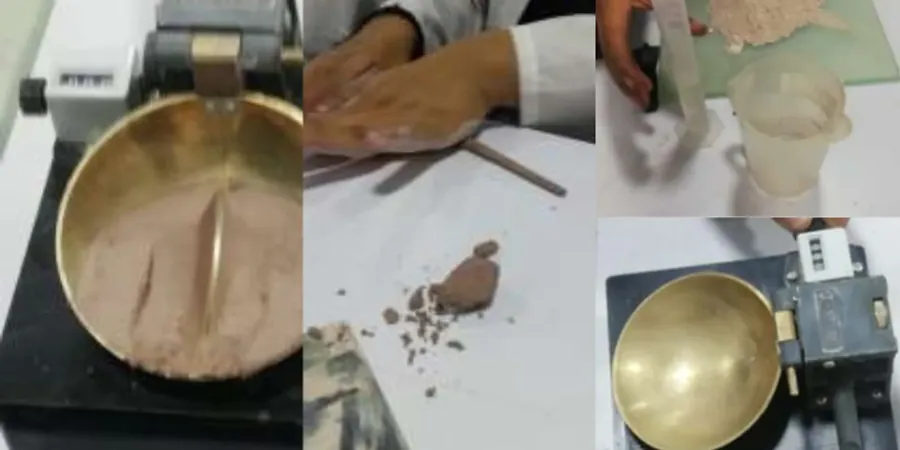
The glacial till that underlies much of Swords reacts sharply to North Dublin's damp winters. When moisture content shifts by just a few percent, silty clays can move from a stiff state to something unworkable, which is precisely why Atterberg limits testing becomes non-negotiable before any excavation begins. The town sits on low-lying ground between the Broadmeadow and Ward rivers, with a population exceeding 40,000 and growing fast under Fingal County Council's development plan. In Swords, ignoring the liquid limit of a foundation soil means gambling against seasonal water table swings that routinely saturate the upper 2 metres of subgrade. Our laboratory runs the full set of index tests: liquid limit, plastic limit, and shrinkage limit, all classified through the Casagrande method and aligned with BS EN ISO 17892-12:2018. Contractors often pair these results with a grain-size analysis to confirm the fines fraction before selecting a capping layer, and with Proctor tests to lock in compaction targets that hold up under repeated wetting-drying cycles typical of the Irish east coast.
A plasticity index above 20% in Swords means the difference between a 200 mm capping layer and a full 500 mm stabilised sub-base.